
The Unspoken Life Change That Follows The Sale of A Business
- Jun 22
- 6 min read

You weighed the options. The team has done the due diligence. The lawyers have signed off and everything is finalized. It’s taken months to get all the details taken care of. You aren’t just selling a business, you’re saying good bye to a part of you. All the sacrifice. All the highs and lows. For many years, this was who you were. And now, everything is about to change.
And for many, in ways they never expected. Selling a business is not simply departing with an asset: you’re losing a role that your identity was built on, your daily structure encompassed, something that gave you significance and a sense of purpose.
You’ve been working towards this for a long time. But 75% of business owners who exit the business they built regret it just one year later. Because most encounter something they never expected or planned for.
Every business exit is different. But all have similarities.
Some people never planned on running a business. For some, the opportunity was given to them through a family business or being chosen as a successor. Others, spent years finding the right market fit for their idea and exhausted every avenue to make it a reality.
Regardless of how you became a business owner, eventually there comes a day when you will exit it. This process is vastly different depending on business structure, involvement of investors or board of directors. Some are sold. Some are acquired and folded into a bigger enterprise. Some are taken over and forced to sell.
Every sale has its own unique set of circumstances that either add stress to the situation or help to make it a painless one. But despite the emotional rollercoaster of the sale, most owners are relieved to finally end up on the other side of it. Finally, they can enjoy the life they have been sacrificing so much for. They can finally get more time back and start to slow down, enjoy things, explore and travel more and enjoy their new found financial freedom.
Many of the successful business owners I work with say similar things – “I thought everything was going to be easier from here on out.”, “I was finally in a place were I could spend more time with my family and just enjoy life.”The first phase of exit is what I call “the bliss” phase. For some, it’s the first time they have true wealth and no longer need to work. For others, the money is secondary to the freedom of having time to do whatever they want. The bliss usually lasts several months. This is how long it takes for their nervous system to decompress and regulate to not being in a high-pressure life, to not having a daily routine and not working all hours of the day.
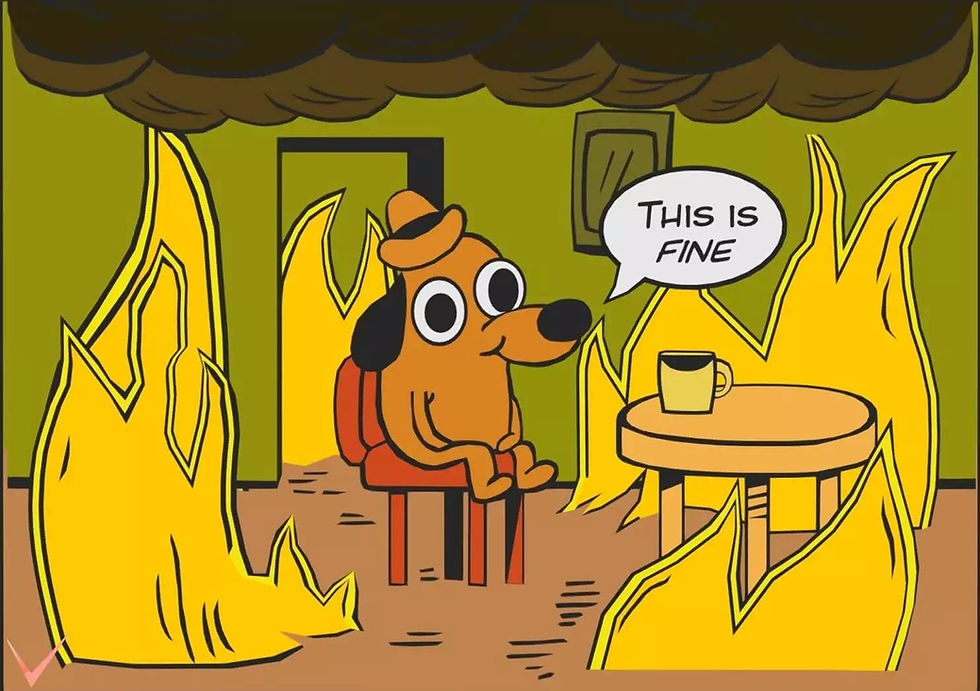
It’s usually just after this phase when life starts to change noticeably. Eventually the novelty of buying the things you thought you wanted wears off. The travelling is great but eventually you begin to want more meaningful experiences. That lack of fulfillment is the part most business owners never planned on or expected. It’s also the reason 75% of business owners regret selling within one year, because the deep emotional tie between who they are and what they built leaves a massive void in their life.
For some, the old life that provided structure, that they were so used to living, starts to call out for them again. They need to fill the void with something new. They feel the need to be a part of something again.
You eventually want to be a part of something but you aren’t sure what.
You spent years building something that was based on your values, your vision and you applied every ounce of yourself into making it a success. There is a rush, a performance high that comes along with accomplishing that. You’re ego wants more of it. The bliss phase is over. Now, you find yourself in social situations with no response to the innocuous question – “So, what do you do?” You pause, and you respond with a passionate account of who you were and what you did. But on the inside, you know this isn’t who you are anymore. Every time you talk about your old life, you are reminded you are no longer a part of it, you’re in a void, a liminal space where you don’t have a new answer for who you are or what you do.
Now, I’m not talking about those people who are happy to be retired or are burnt out to the point where they don’t want to build something new or explore a portfolio career. There are many business owners who decide to fully retire once the deal is done. And there is nothing wrong with that. I’m talking about those people who have that inner voice asking them – what’s next? Who am I now?
This is what I call the “decoupling phase.” This is where I help my clients do the inner reflection, the self-awareness and separating who they were - the title, the role behind the business they built from who they are now.
We focus on elements of their identity that have shifted or changed like: their values, what is really important to them, what legacy they want to create and what impact they want to have on others, so what they decide to do next has just as much significance to them as what they did before.
This phase is like peeling back layers of beliefs, biases and blind spots that are easier to access now that they aren’t in the middle of running their business. This inner work gives them the clarity and the inner validation of knowing what they truly want next. This doesn’t happen in a weekend or in a month. It takes time. But once we get to a place of acceptance and understanding of who we are now, the next phase is plotting out and planning what that actually looks like.
There is no one-size-fits-all approach to a next chapter.
The term portfolio career seems to be the buzz term as of late. There are countless mentions of it and videos across social media talking about it. Partially because the business world is evolving. AI is impacting business structure and operational efficiency and staffing models are evolving along with it. More and more senior level professionals are leaving the corporate world behind for fractional work with multiple clients. While this is certainly a popular option due to the ability of having total control over your own professional trajectory and time, it’s not the only option. Some of my clients decide to start new ventures either as a working partner, a silent partner or an investor, in areas that interest them.While others pursue philanthropic endeavours as a way to give back and provide greater opportunity for others. Some choose to mentor entrepreneurs during the early development stages or providing guidance on how to scale their business and navigate the sale process.
There are many different avenues one can take depending on what aligns to who they are and what they truly want. This is why having a greater sense of self-awareness and self-authority provides the guardrails and measurement for what efforts truly align to you.I’ve seen people spend years exploring different avenues only to feel unfulfilled by it or bored with it shortly after starting it. The reason isn’t the venture itself, but the lack of alignment with who you are and what you really want.
I can’t stress enough how important it is to take the time to do the inner work. It really is the foundation for everything moving forward.
When you’re selling a business, the actual selling part is what most owners plan for. The emotional impact after the sale is what most owners never plan for and are profoundly impacted by. Selling a business opens up a whole new chapter of your life. One filled with new opportunities and experiences. It also changes who you are. You don’t need to reinvent a version of you that isn’t you. The goal is to reconnect with the authentic version of yourself, the person behind all the success and step into that version fully.


Comments